Grid-Forming Inverters for Frequency Support in Power Grids
This paper presents the implementation of the Grid-Forming (GFM) control technique in renewable energy source inverters to synchronize with the grid and provide frequency


This paper presents the implementation of the Grid-Forming (GFM) control technique in renewable energy source inverters to synchronize with the grid and provide frequency

Why do we need Grid-forming (GFM) Inverters in the Bulk Power System? There is a rapid increase in the amount of inverter-based resources (IBRs) on the grid from Solar PV, Wind, and Batteries.

GFL inverters rely on an existing voltage waveform to synchronize. They inject power (P, Q) in response to commands but do not shape the grid frequency or voltage. They are fast,

In an AC-coupled system, a grid-tied PV inverter is connected to the output of a Multi, Inverter or Quattro. PV power is first used to power the loads, then to charge the battery, and

This paper presents the implementation of the Grid-Forming (GFM) control technique in renewable energy source inverters to synchronize

The main goal of this paper will be to explore the differences between grid-following (GFL) and grid-forming (GFM) inverters in power networks. It will also provide insights into the advantages and

The control design of this type of inverter may be challenging as several algorithms are required to run the inverter. This reference design uses the C2000 microcontroller (MCU) family of devices to
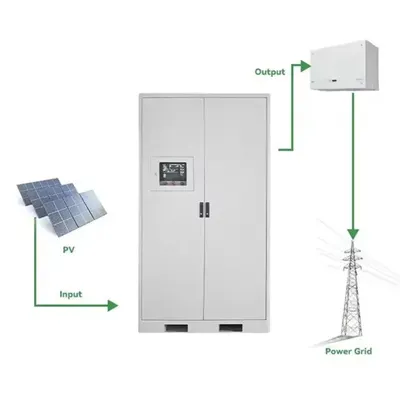
GFL inverters rely on an existing voltage waveform to synchronize. They inject power (P, Q) in response to commands but do not
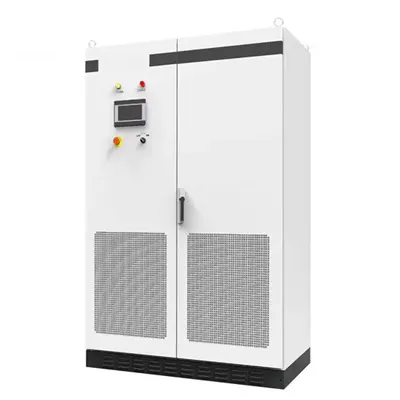
This comprehensive review examines grid-connected inverter technologies from 2020 to 2025, revealing critical insights that fundamentally challenge industry assumptions about

This technical note introduces the working principle of a Grid-Following Inverter (GFLI) and presents an implementation example built with the

This paper comprehensively analyses the impedance characteristics of grid-following (GFL) and grid-forming (GFM) inverters at

A grid-tie inverter converts direct current (DC) into an alternating current (AC) suitable for injecting into an electrical power grid, at the same voltage and frequency of that power grid.

This paper comprehensively analyses the impedance characteristics of grid-following (GFL) and grid-forming (GFM) inverters at around synchronous frequency areas
This technical note introduces the working principle of a Grid-Following Inverter (GFLI) and presents an implementation example built with the TPI 8032 programmable inverter.
La versión PDF incluye el artículo completo con referencias. Adecuado para impresión y lectura sin conexión.