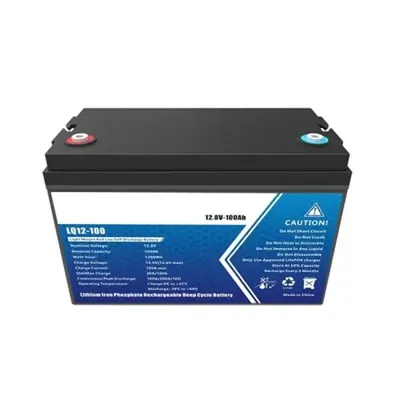
A flow battery is a rechargeable in which an containing one or more dissolved electroactive elements flows through an that reversibly converts to. Electroactive elements are "elements in solution that can take part in an electrode reaction or that can be on the electrode." Electrolyte is stored externally, generally in tanks, and is typically pumped through the cell (or cells) of.
[Versión PDF]
En este artículo, exploraremos en detalle cuántos paneles solares caben en un contenedor, las ventajas de la compra mayorista y para qué tipo de proyectos esta modalidad es la más indicada.
[Versión PDF]
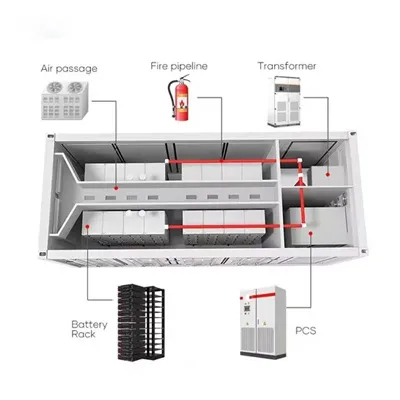
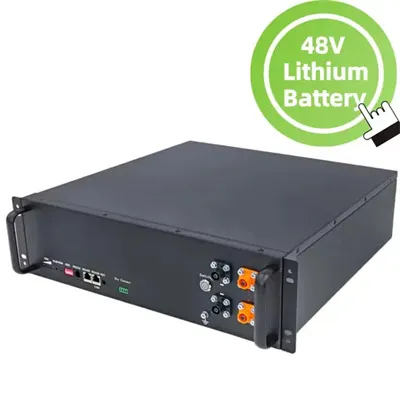
A battery energy storage system (BESS), battery storage power station, battery energy grid storage (BEGS) or battery grid storage is a type of technology that uses a group of in the grid to store. Battery storage is the fastest responding on, and it is used to stabilise those grids, as battery storage can transition from standby to full power in u.
[Versión PDF]
The 2026–2050 Indicative Generation Expansion Plan (PEIG) mandates that all new solar projects above 50 MW must install battery storage equivalent to 30% of their installed photovoltaic capacity.
[Versión PDF]
Thin-film technologies reduce the amount of active material in a cell. The active layer may be placed on a rigid substrate made from glass, plastic, or metal or the cell may be made with a flexible substrate like cloth. Thin-film solar cells tend to be cheaper than crystalline silicon cells and have a smaller ecological impact (determined from ). Their thin and flexible nature also makes them ideal for applications.
[Versión PDF]
A solar panel is a device that converts into by using multiple solar modules that consist of (PV) cells. PV cells are made of materials that produce excited when exposed to light. These electrons flow through a circuit and produce electricity, which can be used to power various devices or be stored in. Solar panels can be known as solar cell panels, or solar electric p.
[Versión PDF]