Según un estudio del analista Michael Thomas, Google y Microsoft consumieron 24 TWh de electricidad cada uno, en 2023. Superan así a más de 100 países enteros, incluyendo Islandia, Túnez, o la República Dominicana.
[Versión PDF]
Las tendencias de precios recientes muestran sistemas industriales estándar (100kW-1MW) desde $75,000 y sistemas comerciales (50kW-500kW) desde $50,000, con opciones de financiamiento flexibles que incluyen PPAs y préstamos solares disponibles.
[Versión PDF]
Los Sistemas de Alimentación Ininterrumpida (SAI/UPS) son equipos de redundancia energética, que almacenan corriente en una batería a la que se conectan dispositivos electrónicos, actuando como un cortafuegos entre el suministro directo de la red y el equipo, con gamas que protegen.
[Versión PDF]
The following is a list of photovoltaic power stations that are larger than 500 (MW) in current net capacity. Most are individual, but some are groups of owned by different and with separate connections to the grid. Wiki-Solar reports total global capacity of utility-scale photovoltaic plants to be some 96 GWAC which generated 1.
[Versión PDF]
Thin-film technologies reduce the amount of active material in a cell. The active layer may be placed on a rigid substrate made from glass, plastic, or metal or the cell may be made with a flexible substrate like cloth. Thin-film solar cells tend to be cheaper than crystalline silicon cells and have a smaller ecological impact (determined from ). Their thin and flexible nature also makes them ideal for applications.
[Versión PDF]
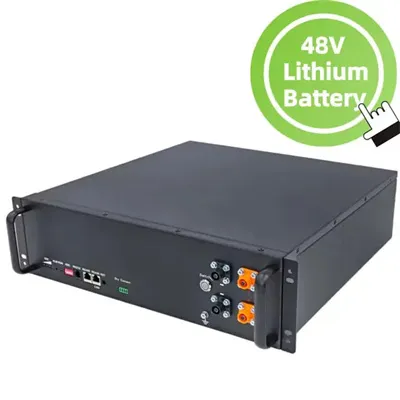
Las baterías para el almacenamiento de energía renovable se presentan como una eficaz solución para garantizar el suministro ininterrumpido, optimizando al máximo la capacidad productiva de los paneles solares y los aerogeneradores que van instalándose por toda la geografía.
[Versión PDF]