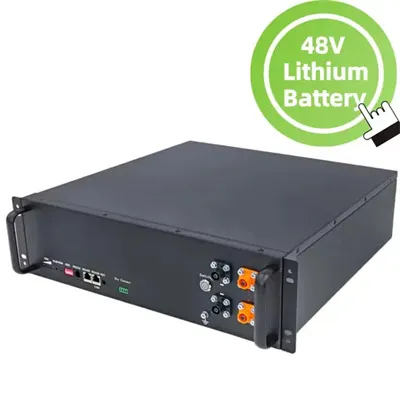
In this comprehensive guide, we'll explore everything you need to know about residential energy storage system installation—from understanding its components and benefits to planning, installation steps, and maintenance essentials. What is a Residential Energy Storage System?.
[Versión PDF]
The average energy storage cost in 2025 is different in many places. It depends on how big the system is and what technology it uses. Most homes and small businesses pay between $6,000 and $23,000 for everything. This covers the battery, inverter, labor, and other parts.
[Versión PDF]
Thin-film technologies reduce the amount of active material in a cell. The active layer may be placed on a rigid substrate made from glass, plastic, or metal or the cell may be made with a flexible substrate like cloth. Thin-film solar cells tend to be cheaper than crystalline silicon cells and have a smaller ecological impact (determined from ). Their thin and flexible nature also makes them ideal for applications.
[Versión PDF]
We specialize in large-scale energy storage systems, mobile power stations, distributed generation, microgrids, containerized energy storage, photovoltaic projects, photovoltaic products, solar industry solutions, photovoltaic inverters, energy storage systems.
[Versión PDF]
Muchos principiantes creen que un inversor más grande producirá automáticamente más electricidad. Sin embargo, esto es un error grave. Como mencioné anteriormente, el propósito principal del inversor es convertir la corriente continua (CC) en corriente alterna (CA), no generar.
[Versión PDF]
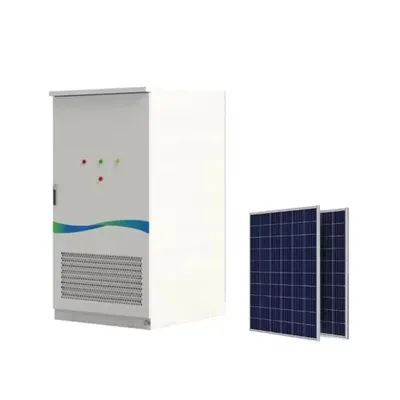
El gabinete combinado híbrido de energía y batería integra energía de red, entrada solar y almacenamiento de energía de batería en una única solución para exteriores.
[Versión PDF]